All Categories
Featured
Table of Contents
Performance stops to be a one-time job or a buzzword; it ends up being a core cultural worth that drives day-to-day decisions. By integrating these KPIs into your routine reviews and strategic preparation, you construct sustainable momentum that not just boosts profitability but likewise creates a more durable, nimble, and competitive company poised for long-term success.
Ready to construct your operational technique on a rock-solid structure?
Measuring productivity at scale needs more than output counts. When efficiency is not determined, inefficiencies accumulate and performance decreases.
Hours worked, existence, or keystrokes do not show real efficiency. Metrics ought to reflect completed work, provided value, and preserved quality.
Balancing Infrastructure Costs Vs Efficiency Metrics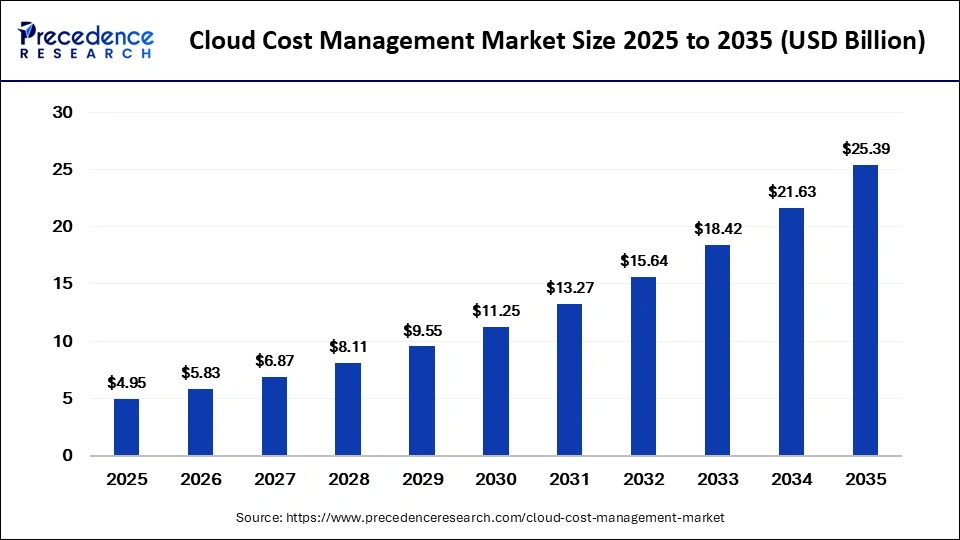
Similarly important, determining efficiency highlights where your organization may be lagging. Today's work environment makes standard efficiency hints less pertinent.
Maximizing Resource Efficiency for Higher ROI
Rather, leading companies track a portfolio of metrics that, together, capture how well business is utilizing its time and resources. The exact KPIs may differ by market and business, however below are some of the most typical and helpful efficiency metrics: This measures just how much earnings the business produces per employee.
Tracking this over time shows whether the organization is enhancing its capability to transform individuals into service output. These metrics show how dependably and rapidly teams deliver work. Task conclusion rate compares planned work to finished work, while cycle time determines for how long tasks take from start to end up. Together, they reveal execution performance and emphasize workflow bottlenecks.
Low usage points to underuse or process friction, while regularly high usage can signal overload. This metric helps ensure work is dispersed effectively without producing burnout. Efficiency must represent quality. High error or flaw rates minimize genuine output by increasing rework. Low error rates show effective execution and sustainable productivity.
Performance depends on labor force accessibility. Keeping an eye on absence and turnover assists companies address efficiency losses associated with workforce instability. Select metrics that line up with your service design and goals.
While determining performance is essential,. Here are some pitfalls to prevent: Measuring hours, log-ins, or noticeable activity confuses busyness with efficiency.
Improving Cloud Asset Metrics and ROI
Efficiency can not be recorded with one number. Every efficiency metric should plainly map to a business objective and encourage the best behavior.
Efficiency metrics that reward overwork or continuous schedule lead to burnout and turnover. Metrics must be interpreted with context and utilized to enhance systems, not to appoint blame. Sustainable performance depends upon maintaining staff member capacity with time. By avoiding these mistakes and using productivity metrics thoughtfully, you can foster a culture of continuous enhancement.
Performance measurement should have to do with, not instilling paranoia. Determining business performance needs exposure into how work actually happens across groups, tools, and time. Worklytics is developed to provide that visibility by equating everyday work activity into goal, organization-wide productivity insights. Worklytics incorporates directly with the systems business rely on to operate, consisting of collaboration, calendar, engineering, and project management platforms.
The platform measures indications such as focus time, conference load, cooperation strength, and responsiveness. These signals help companies examine whether employees have adequate undisturbed time to execute core work and whether cooperation is making it possible for or hindering productivity. By analyzing these patterns gradually, Worklytics makes it possible for companies to detect trends that directly affect business efficiency, including growing meeting overhead, increasing after-hours work, or decreasing execution capability.
Scaling Hybrid Asset Portfolios in 2026
Worklytics enables benchmarking across teams, departments, and time durations, offering a clear view of productivity distribution within the organization. Leaders can recognize which operating designs support greater output and which introduce friction. Sample report of Worklytics in Office Analytics BenchmarksTrend analysis enables organizations to track whether productivity is improving or degrading as business scales, reorganizes, or adopts new tools.
All efficiency information is aggregated and anonymized, with no individual-level reporting and no access to message or document material. Only metadata is examined to comprehend work patterns at scale. Privacy style of WorklyticsThis design makes sure that performance measurement remains focused on systems and workflows rather than specific security.
Its control panels are created to support decision-making by linking performance patterns to organizational outcomes. Leaders can evaluate the effect of functional modifications such as conference policy changes, tooling debt consolidation, or work rebalancing, and observe how efficiency responds.
Navigating 2026 IT Budget StrategiesEssential Approaches for Optimizing 2026 Fiscal Budgets
Rather of depending on intuition or anecdotal feedback, organizations can use Worklytics information to make targeted, evidence-based changes that improve enterprise performance with time. Worklytics makes it possible for organizations to determine business efficiency where it actually lives: in how work streams throughout teams, tools, and time. By concentrating on execution capability, partnership efficiency, and focus conservation, the platform offers a practical structure for improving performance at scale.
Enterprise performance measures how successfully an organization converts labor and resources into business output. Organizations that actively measure efficiency consistently outperform those that do not.
Knowledge work must be determined through outcome-based indications rather than activity. Pertinent metrics include finished deliverables, development versus goals, quality of output, and organization impact.

Latest Posts
Evaluating Proven Metrics for Enterprise Efficiency
Optimizing Enterprise Costs in 2026
Boosting Enterprise Asset Metrics and Governance