All Categories
Featured
Table of Contents
Poor resource preparation expenses companies billions annually due to missed out on due dates, tired groups, and chances that better-prepared rivals take. The ripple effects touch everybody in your organization, from annoyed supervisors to overwhelmed frontline employees who try to meet difficult needs with insufficient resources. Smart resource allotment forms the backbone of successful task management.
Whether you run production lines, coordinate deliveries, or deploy IT systems, how you appoint resources directly impacts your earnings and group satisfaction. This guide offers you tested structures, practical metrics, and genuine strategies to transform resource allocation from a constant scramble into your one-upmanship. Resource allotment is everything about putting your properties precisely where they'll do the most excellent.

Economists use it to figure out how societies hand out their minimal resources., resource allowance suggests smartly appointing your group, equipment, money, and time to various tasks.
The Role of Automated Asset Management
Excellent resource allotment guarantees you hit targets within your restrictions while preventing waste. When you designate resources efficiently, you produce a roadmap for deploying your most valuable properties where they'll produce the greatest returns, rather than spreading them too thin across a lot of priorities. Reliable resource allowance distinguishes flourishing business from those continuously missing deadlines and spending plans.
Tech teams deal with even greater stakes with resource decisions., assigning people based on complementary skills rather than simply who's readily available assists teams work more cohesively. Departments share knowledge more easily, developing ingenious options that isolated work never produces.
Balancing Infrastructure Costs Vs Performance Metrics
Professional services companies that preserve usage rates between 70-85% typically discover the sweet area between performance and avoiding burnout. You prevent the classic issue of some employee drowning in work while others with comparable skills sit idle, wondering what to do next. Balanced workloads and clear expectations enhance staff member fulfillment.
When you distribute work relatively based on capability and capability, your group feels valued instead of stressed out or underused. This approach not only balances workloads but also assists to improve employee engagement, leading to lower turnover and higher quality work from determined workers who comprehend their role in the larger picture.
Is Your Enterprise IT Infrastructure Ready for Efficiency?Manufacturing business that use resource leveling strategies frequently cut functional costs by 15-20% while providing quicker. You spend less on overtime, reduce waste from ineffective procedures, and avoid the covert expenses of delays and remodel that pester badly prepared jobs. Correct allocation amplifies group output by matching jobs to the right skills at optimum times, leading to substantial enhancements in work environment productivity.
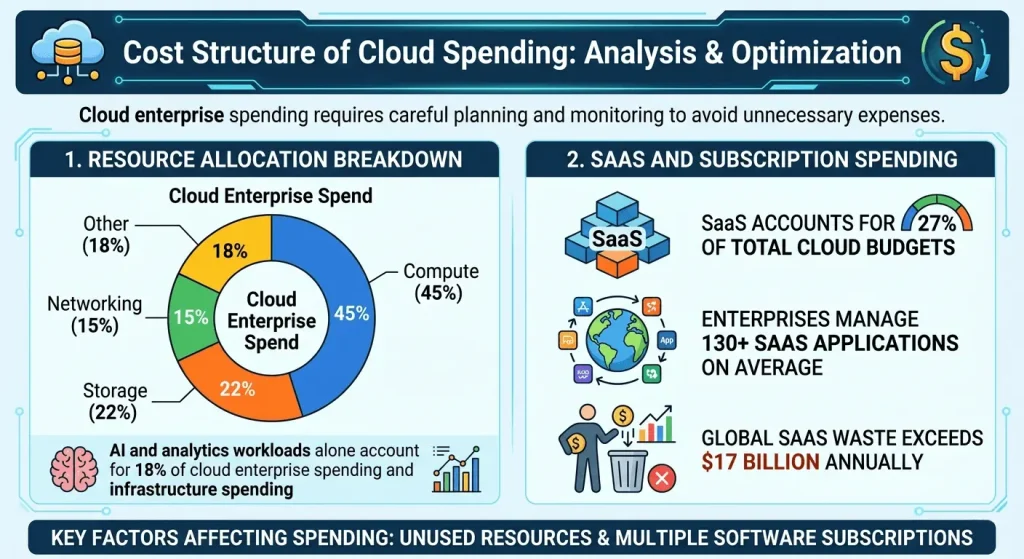
When individuals work on jobs lined up with their strengths throughout their peak hours, both quality and speed improve considerably. By preserving buffers and cross-training team members, you minimize the effect of sick days, devices failures, or abrupt concern shifts.
Proven Methods to Control Enterprise CostsComparing Infrastructure Costs Vs Efficiency Metrics
Service resources come in two flavors: tangible and intangible. Concrete possessions keep day-to-day operations running, while intangible resources sustain long-term growth and market differentiation.
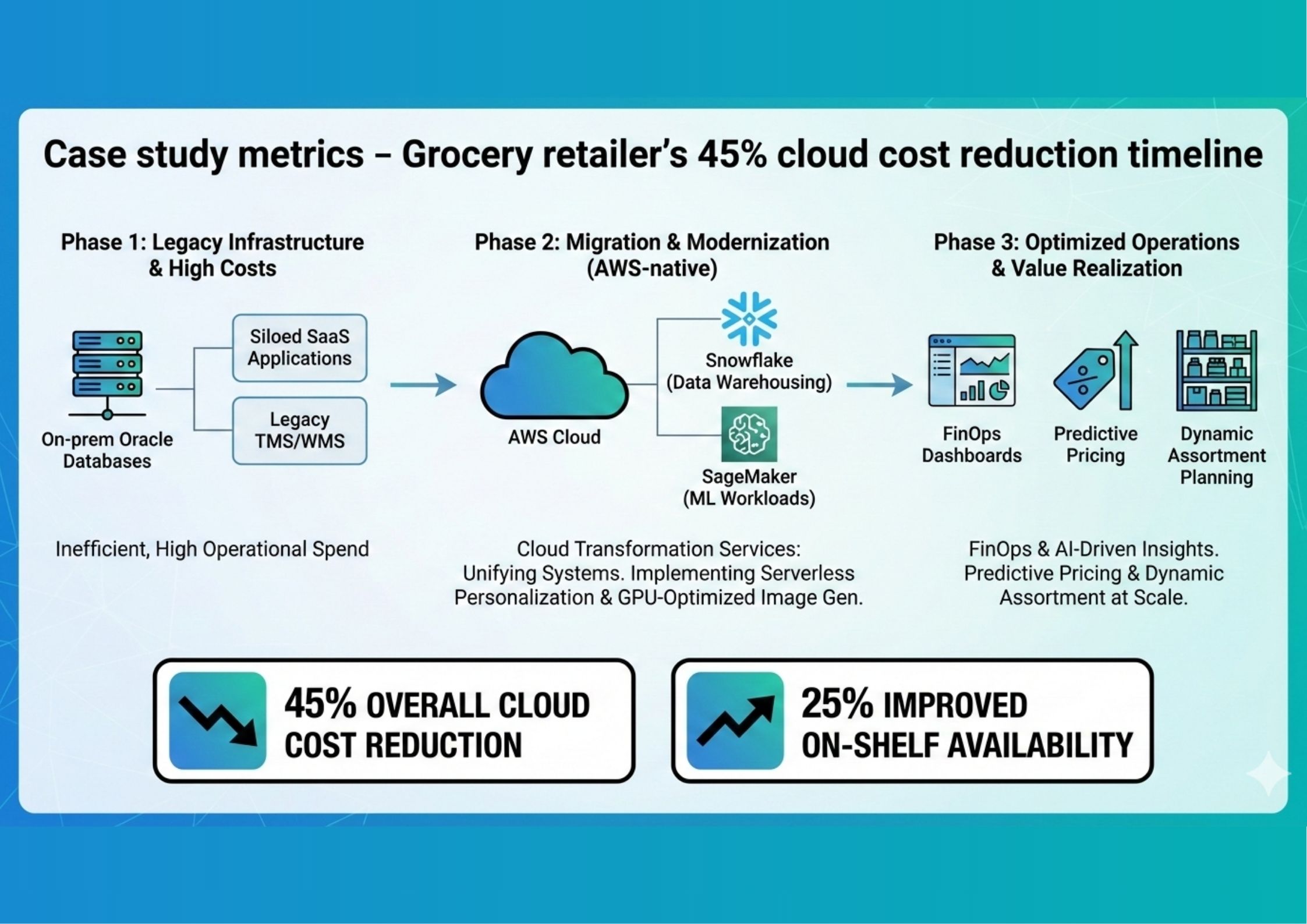
These possessions provide uncomplicated assessment with clear market value, however they wear down gradually and need maintenance. Production companies should budget for devices upkeep and ultimate replacement and often deal with scheduling concerns due to devices downtime. Logistics firms deal with comparable obstacles as they preserve delivery fleets while planning lorry upgrades.
The advantage of tangible resources lies in their measurability. Intangible resources lack physical type however frequently drive the most value today.

Latest Posts
Evaluating Proven Metrics for Enterprise Efficiency
Optimizing Enterprise Costs in 2026
Boosting Enterprise Asset Metrics and Governance